What the Intracoastal Speed Signs Mean Off Sea Ranch Lakes This Winter
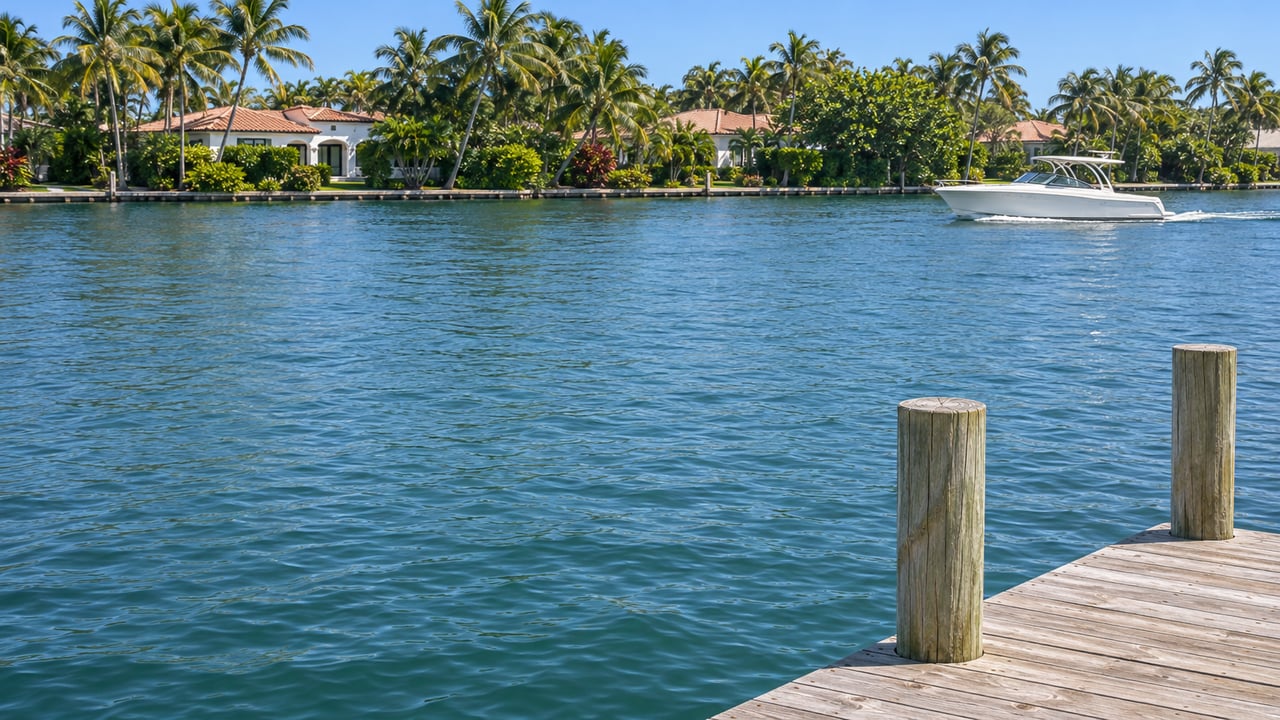
South of Sea Ranch Lakes, a stretch of the Intracoastal became a slow speed, minimum wake zone on February 3, 2026. On October 15, the Village of Sea Ranch Lakes approved a resolution requesting an extension of the no wake zone along its waterfront.
The village's Intracoastal frontage lies between the Oakland Park Boulevard and East Commercial Boulevard bridges.
The Florida Fish and Wildlife Conservation Commission's staff presentation from November 2025 described the seasonal rules that applied between the Oakland Park and Sunrise bridges before the change.
FWC staff reviewed that stretch using data from January 2020 through September 2025. They counted 52 boating citations, 38 warnings and 9 boating accidents, including a fatal personal watercraft accident in August 2025. The presentation also explained why that stretch is especially rough. The waterway's width, combined with concrete seawalls along both banks, creates what staff called the "washing machine effect," where wakes bounce off the seawalls, multiply and collide across the channel. Marine patrol units told FWC the water could be too rough for officers to stop boats safely, so citation counts may understate how often violations happen.
The Fort Lauderdale Police Department's chief supported the change. FWC also presented the proposal to the Marine Industries Association and held a virtual public workshop on September 25, 2025. Commissioners approved the new Lauderdale Beach ICW Zone at their November 2025 meeting. In the FWC announcement, the agency's Boating and Waterways Section Leader explained the reasoning:
"Reducing vessel speed in this stretch of the waterway will provide operators with greater reaction time to avoid collisions with other vessels, land or shore-based structures such as docks and boat lifts." Maj. Bill Holcomb, FWC
The new zone took effect February 3, 2026. FWC staff also said the change would make the rules simpler to read on the water, because signs there would simply read "slow speed minimum wake" in place of the seasonal dates and hours. The agency said it would update the signage once the rule took effect and that its officers would start with an educational approach.
At its October 15, 2026 meeting, the Sea Ranch Lakes Village Council unanimously approved Resolution 2026-09. It authorizes village officials to write to the Florida Fish and Wildlife Conservation Commission, the Florida Inland Navigation District and Broward County to request an extension of the no wake zone on the Intracoastal Waterway along the village's municipal boundary. The resolution also directs the village to coordinate with neighboring municipalities and associations.
According to the meeting minutes, council member Volkert reported on conversations with Lauderdale-By-The-Sea and with the president of the Bay Colony homeowners association. The goal is to collect letters signed by residents in support of the no wake zone. The council's November 9 agenda listed "Discussion of Intracoastal Waterway wake and speeding issues" under old business, along with a Beach Club liaison report and setting the December meeting date. The resolution is a request.
Florida law gives local governments two main ways to create boating restricted areas. Both are set out in section 327.46, Florida Statutes.
FWC's waterway markers page directs local governments pursuing a (1)(c) ordinance to contact its Waterway Management section to start a Local Ordinance Review application, and it recommends consulting the agency before drafting. The agency's own rulemaking for the Lauderdale Beach zone shows the kinds of evidence it weighs: uniform boating citations, written warnings, accident reports, vessel traffic studies and other credible data.
If you own along the Intracoastal near Sea Ranch Lakes, Bay Colony or Lauderdale-By-The-Sea and want a private read on how your water access supports your home's value, Tagliamonte & Associates is glad to talk. Request a Confidential Home Valuation, and we will include your frontage and your dock.
Stay up to date on the latest real estate trends.
A top South Florida producer since 2000 and recognized as in the top ½% of real estate producers nationally, Sandra Tagliamonte and Tagliamonte and Associates take pride in their ability to assist clients in the most effective and successful ways.