Pier Sixty-Six's Next Phase Is Rising Across the Bridge From Harbor Beach
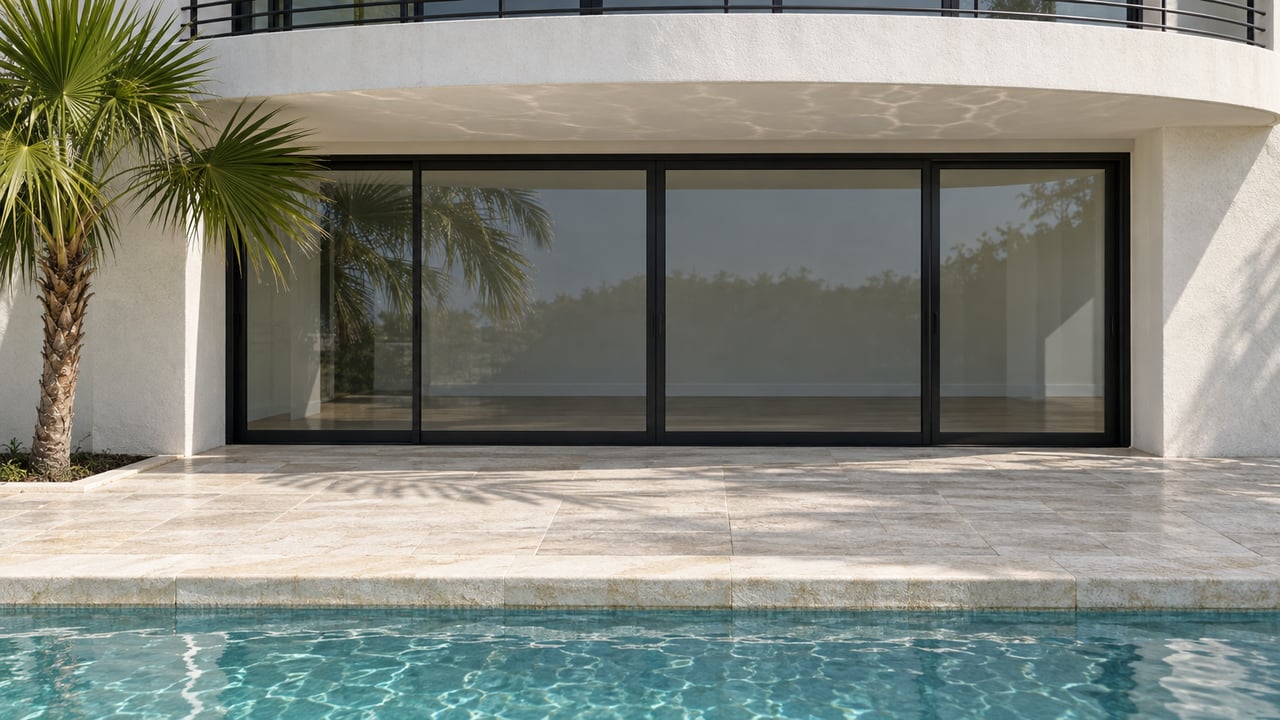
Cross the SE 17th Street Causeway Bridge heading east and the shift is immediate. On one side, a single road narrows toward a guard gate, palm-lined streets curl past docked sportfishers, and the loudest sound most afternoons is a lawn crew or a pelican landing on a seawall. On the other side, a 32-acre resort with a spire-topped tower, twelve restaurants, and a revolving rooftop lounge does the opposite. It wants to be seen, visited, and photographed. Harbor Beach is the quiet side of that bridge. Pier Sixty-Six is the loud one. For most of the past two decades, the water and the bridge itself kept them from bumping into each other.
That separation is now the subject of a formal development proposal, and it changes what buying into Harbor Beach actually means going forward.
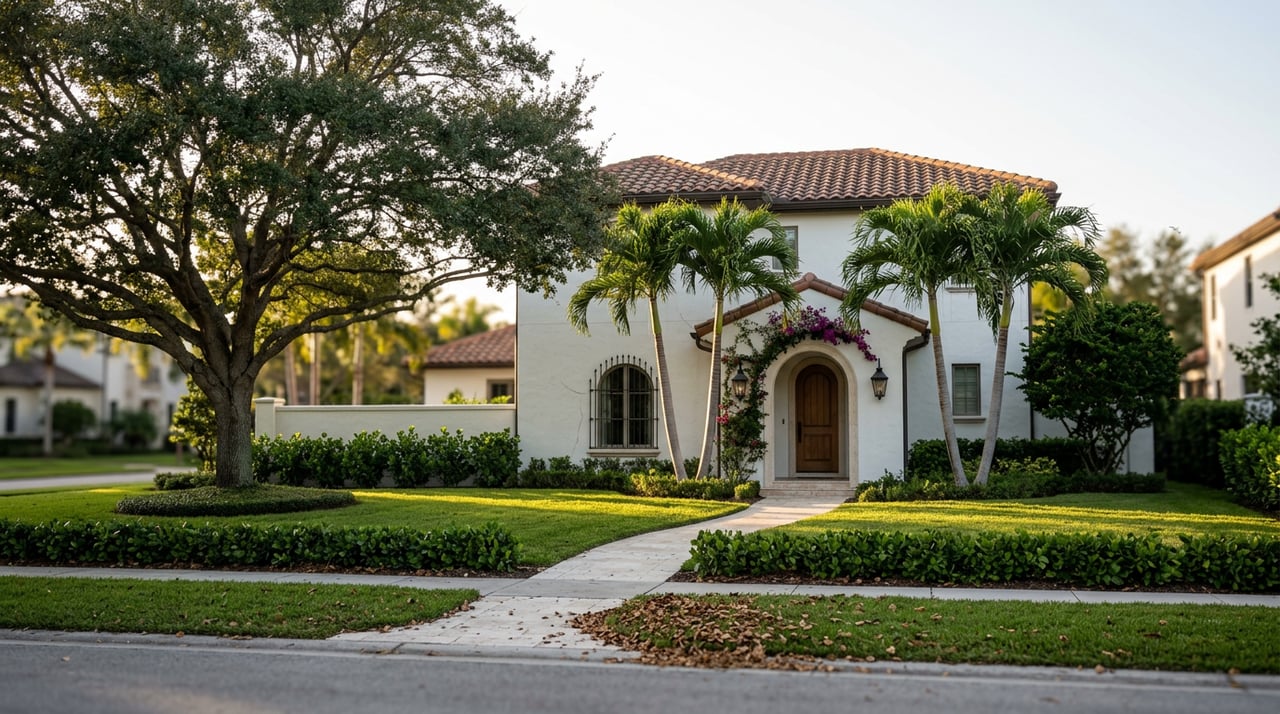
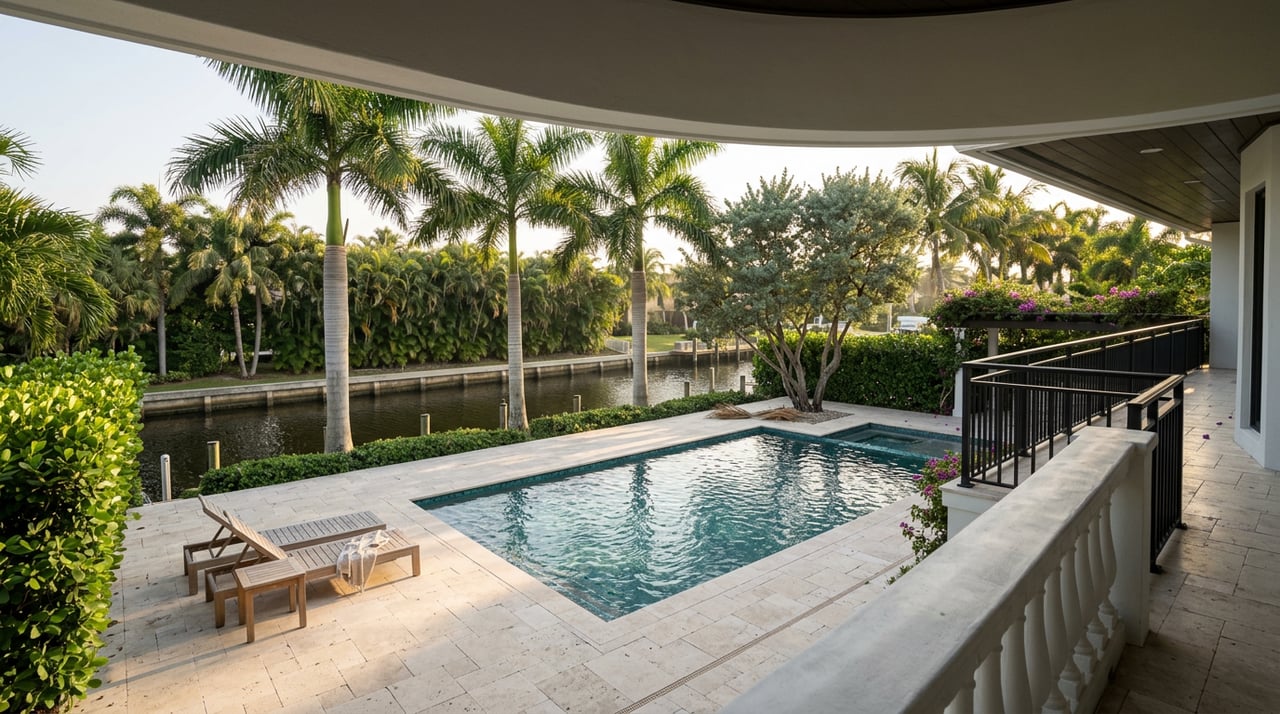
Harbor Beach's reputation rests on specifics most listing copy skips over. It is a genuinely gated, mostly single-family enclave built from four platted communities, Laguna Isle, Lucille Isle, Del Lago Isle, and Isla Bahia, with two more neighborhoods, Harbor Isles and Harbor Inlet, sitting south of Seabreeze Boulevard. Every street inside dead-ends at the same guarded entrance. There is no drive-through, and a resident's own path to the sand runs through a private club rather than a public boardwalk. The Harbor Beach Surf Club, a nonprofit founded in 1942, limits membership to Harbor Beach property owners and maintains 300 feet of beach behind a footbridge that resort guests, renters, and cruise ship passengers simply cannot cross.
Cross the same 17th Street bridge in the other direction and the logic inverts. The Club at Harbor Beach, the Marriott resort's own membership program, sells a quarter-mile of private beach, tennis and pickleball courts, and a spa to anyone who can afford the dues, no property ownership required. Two clubs, both calling themselves Harbor Beach, sit less than a mile apart with opposite membership philosophies. That contrast, more than dock length or price per square foot, is what the address on the gated side has actually been selling.
The redevelopment already changed the view from that bridge once. Pier Sixty-Six reopened in January 2025 after a multi-year rebuild that restored its 1965 tower and added a 325-room resort. Two 11-story condominium towers, Azul and Indigo, delivered a combined 57 residences on the resort's north side. A penthouse in Indigo sold for $14.5 million to Randy and Rosalina Brecher, among the priciest condo closings recorded in Fort Lauderdale and Broward County, and two four-story Resort Residence buildings added another 31 units in 2024. Together those projects account for the 88 private residences the property now counts as complete. The original tower earned historic landmark status from the city in May 2024, and its spire is now topped by Pier Top, the only revolving cocktail lounge in the region. Pelican Landing, the marina's old no-frills fish shack, is slated to reopen later this year in an updated form the resort's managing director has described as keeping the same casual spirit.
None of that required Harbor Beach to change anything. The marina stayed open through construction, bridge traffic held its pattern, and the new density landed entirely on Tavistock's side of the water.
Phase two does not offer that same containment.
In late May 2026, Tavistock Development unveiled plans for an eight-acre expansion spanning both sides of SE 17th Street. Four towers reaching roughly 270 feet would hold 339 residential units between them, split between a 1.4-acre parcel north of the street and a 6.6-acre parcel to the south. The proposal also includes a grocery store near 14,000 square feet, more than 25,000 square feet of additional retail, a new one-acre water basin, an expanded marina, and a public gathering space built underneath the bridge itself in partnership with the city and the Florida Department of Transportation.
Tavistock said at the time that the project would move through Fort Lauderdale's development review process over the following months. As of this writing, no construction timeline, architect, or residential branding has been made public. For anyone closing on a home in Harbor Beach today, that means the density is proposed but not yet scheduled. That gap between an unveiled concept and a confirmed groundbreaking is exactly the kind of detail a median-price snapshot on a portal will never surface, and exactly the kind of question worth raising with a listing agent before writing an offer on a home whose backyard faces that bridge.
None of this has slowed sales on the Harbor Beach side. Fort Lauderdale MLS activity for the neighborhood over the twelve months ending in September 2026 shows a market still transacting at a pace unusual for gated, ultra-luxury inventory.
| Metric (trailing 12 months, as of Sept. 2026) | Figure |
|---|---|
| Homes sold | 14 |
| Average asking price | $10,069,207 |
| Average selling price | $8,469,014 |
| List-to-sell ratio | 84% |
| Price per square foot | $1,329 |
| Average days on market | 111 |
Fourteen closings inside a gated community of roughly 400 homes is a meaningful share of annual inventory turning over, not a market that has stalled. An 84 percent list-to-sell ratio on eight-figure asking prices means sellers are pricing with room to negotiate and buyers are still willing to close within about four months on average. Nothing in that data reads as a market bracing for disruption. It reads as a market that has priced the bridge's separation into every listing and has not yet had to reprice it.
The seam between Harbor Beach and Pier Sixty-Six has always been physical and social at once, a bridge, a gate, and two clubs with opposite membership rules. Phase one of the redevelopment respected that seam by building entirely on its own side of the water. Phase two, if approved as proposed, does not. A new water basin sitting adjacent to Harbor Beach's own canals, added retail and grocery traffic drawing more cars toward the same bridge residents use to leave the neighborhood, and 339 additional residences within walking distance of a gate that has never had walkable neighbors before all sit outside the scope of a comparable-sales sheet.
None of that makes Harbor Beach a worse place to buy. The Surf Club's footbridge and property-owner-only membership rule do not change because a tower rises across the water, and the guard gate does not open because a grocery store arrives half a mile away. What changes is the certainty that the bridge itself stays quiet. Anyone comparing Harbor Beach today against Rio Vista, Seven Isles, or the Las Olas Isles is not only weighing dock depth and lot size. They are weighing how much of each neighborhood's privacy depends on infrastructure that one developer, working through a city review process that opened this spring, could reshape within the span of a single mortgage.
If you are cross-shopping Harbor Beach against the wider bridge line and want to understand how Pier Sixty-Six's Phase II review is likely to play out street by street, Tagliamonte & Associates can walk through what it means for a specific dock, lot, or resale timeline. Request a Confidential Home Valuation before you write an offer on either side of that water.
Stay up to date on the latest real estate trends.


A top South Florida producer since 2000 and recognized as in the top ½% of real estate producers nationally, Sandra Tagliamonte and Tagliamonte and Associates take pride in their ability to assist clients in the most effective and successful ways.