The Real Cost of Owning a Waterfront Home in Sunrise Key
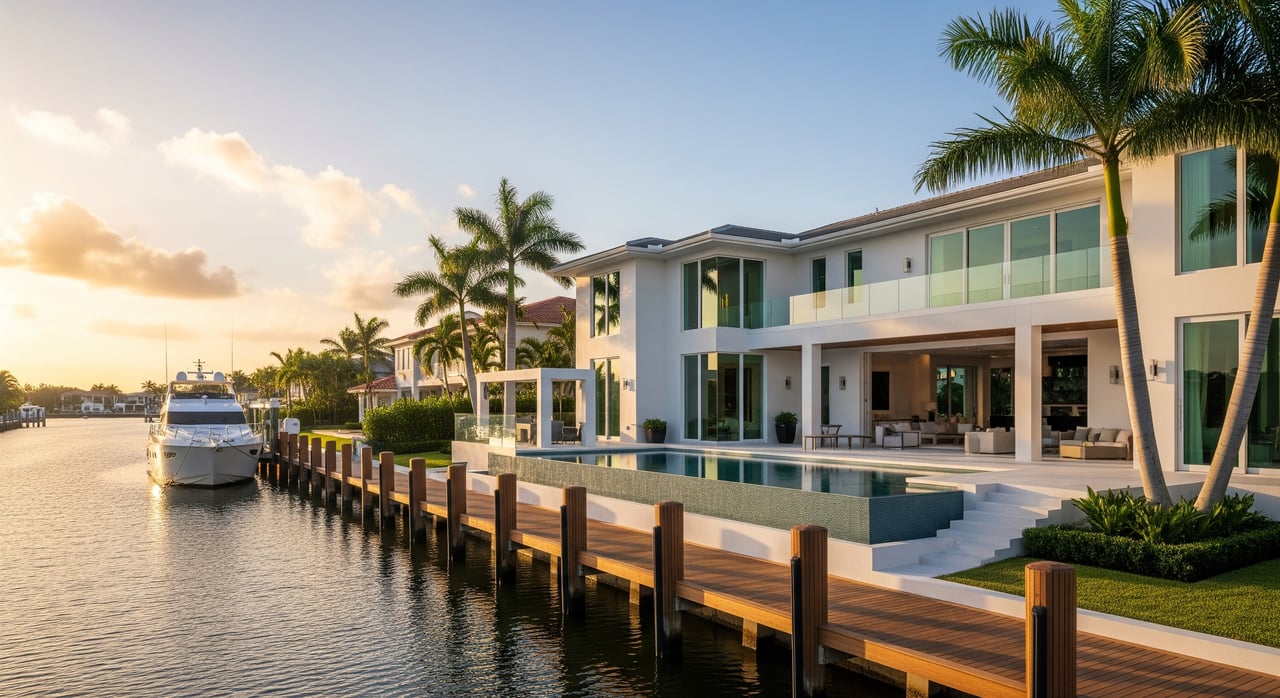
What does dockside living in Sunrise Key really cost after closing day? If you are picturing morning coffee on the water and quick runs to the ocean, you are not alone. Waterfront life delivers a rare lifestyle, but it also comes with ongoing expenses that are different from inland homes. In this guide, you will see the major cost drivers, typical ranges, permitting considerations, and two sample budgets you can adapt to your property. Let’s dive in.
Sunrise Key sits on deepwater canals with direct access to the Intracoastal and Atlantic. That access comes with coastal risk, including storm surge, high winds, salt spray, and tidal flooding. You should review your parcel’s risk on the official FEMA flood maps and explore future water levels in the NOAA Sea Level Rise Viewer. For broader local planning and adaptation efforts, see Broward County’s resilience resources.
Insurance is another key driver. Florida’s coastal market often faces higher premiums and changing carrier availability. Keep an eye on state updates from the Florida Office of Insurance Regulation, and secure quotes early.
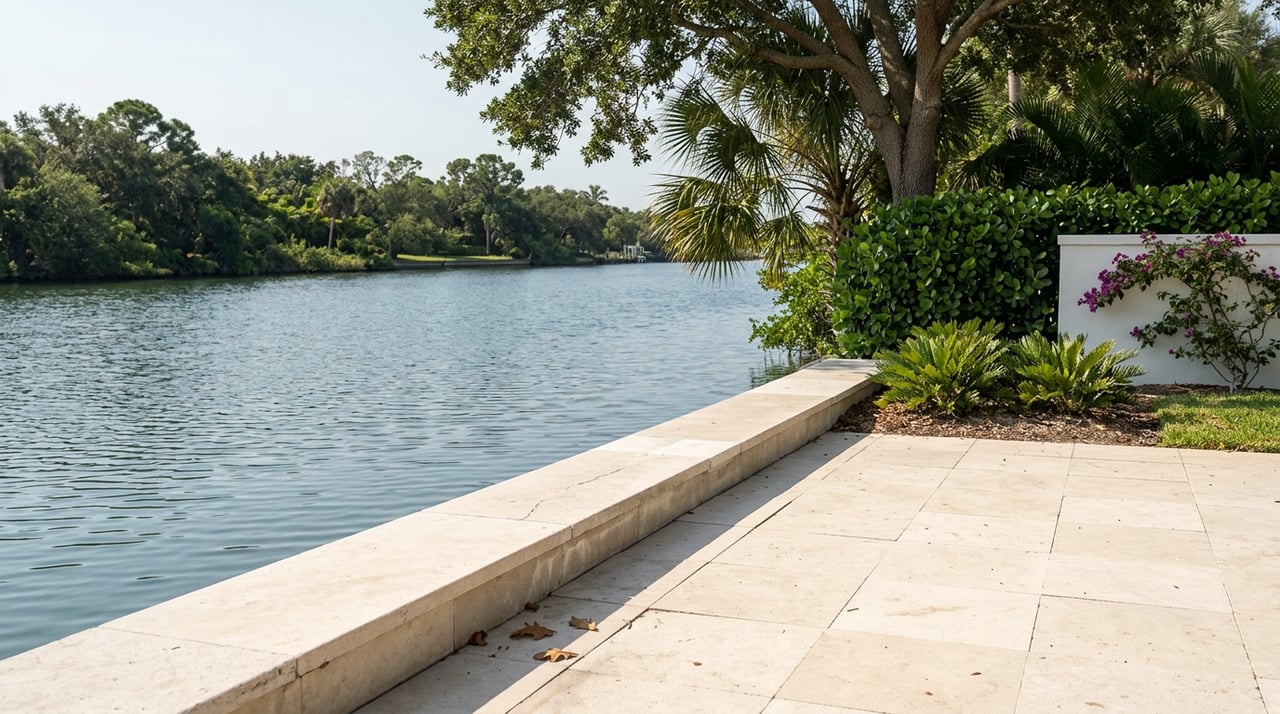
Your seawall protects your land, dock, and home from erosion and high water. Plan for routine inspection and cleaning, with typical annual maintenance ranging from about $200 to $1,500 depending on condition and contractor. Minor repairs can be a few hundred to several thousand dollars. Full replacement is a major capital item and is widely reported in Florida at roughly $500 to $1,500 or more per linear foot, so a 75 to 150 foot wall can run tens of thousands to low six figures.
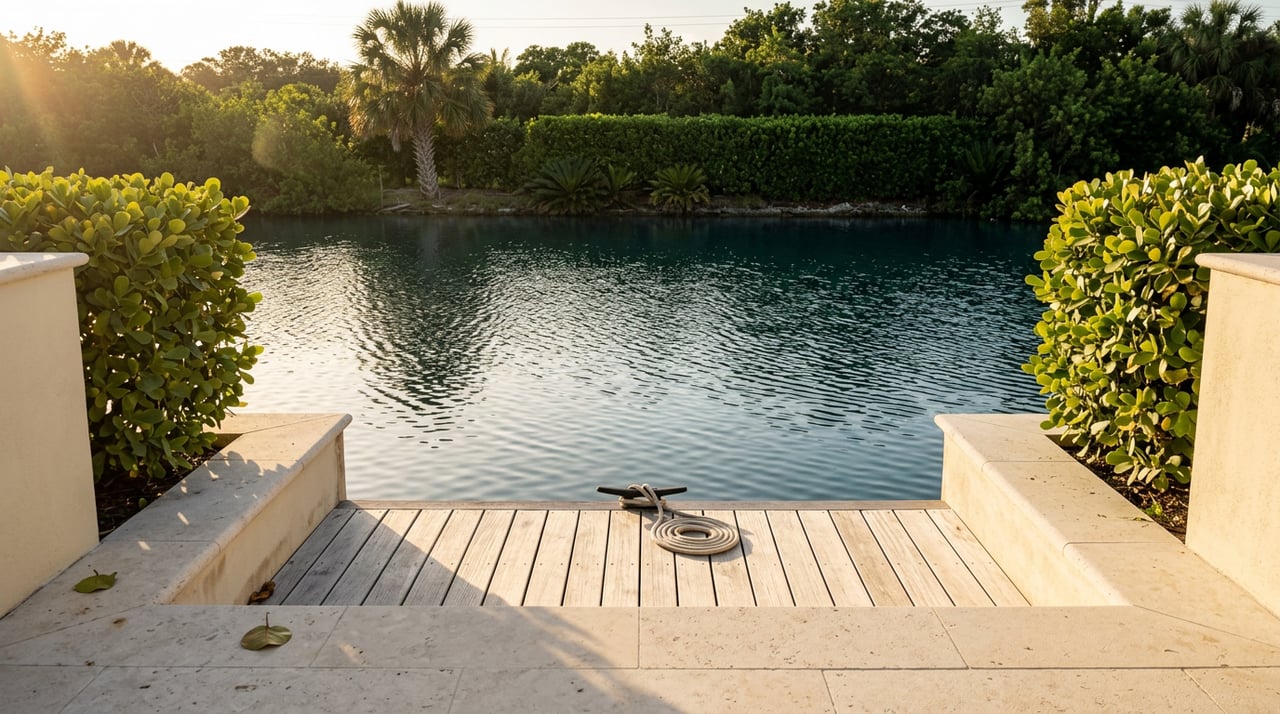
Saltwater and sun wear down decking, pilings, and lift systems. Annual dock and lift servicing often ranges from $500 to $5,000 or more based on size and complexity. Lift replacement for larger vessels can run $10,000 to $40,000 or more, and premium decking or composite materials increase costs. Plan for electricity to power lifts and lighting as part of your utility spend.
Standard homeowners coverage often excludes flood, so you may need both a homeowners policy with wind coverage and a separate flood policy. In coastal high-risk zones, premiums can range from several thousand to tens of thousands of dollars per year, depending on elevation, flood zone, prior claims, and coverage choices. Windstorm deductibles in Florida are commonly percentage based, often 1 to 5 percent of dwelling coverage, which affects your out-of-pocket costs after a storm. Obtain quotes from agents who regularly place Broward County waterfront policies and compare NFIP with private flood options.
Salt air shortens the service life of exterior finishes and metals. Many coastal homes repaint every 5 to 8 years for best performance. Expect $200 to $2,000 per year for pressure washing and minor exterior repairs, with additional costs for corrosion control or hardware replacement. Roof inspections after storms are smart; roof life depends on material and exposure.
High humidity and salt air mean more frequent HVAC service and potentially earlier replacement. Budget $150 to $500 per unit annually for service, ideally twice per year. Electric bills will be higher with year-round cooling, dehumidification, pool equipment, and dock systems. If you add a generator, plan for installation as a capital item, then annual service and fuel.
Coastal landscaping favors salt-tolerant plants and regular upkeep. For luxury yards, routine service often runs $200 to $1,500 or more per month. Tree trimming can range from a few hundred to several thousand dollars per year, with post-storm removal higher. Irrigation repairs and backflow testing add modest recurring costs.
South Florida’s climate supports termites and other pests. Annual contracts often range from $300 to $1,200. If you have wooden dock components, marine borers can damage pilings, and treatments or replacement can be costly.
Property taxes are tied to assessed value, millage, and exemptions. For high-value waterfront homes, annual taxes are significant. Confirm current and historic figures with the Broward County Property Appraiser. Also factor any HOA or community assessments, stormwater fees, and utility charges.
Plan for annual shutter or impact system checks, generator tests, and seasonal yard preparation. After a storm, debris removal, water extraction, and dock or roof repairs can add up quickly. Many owners keep an emergency reserve equal to 1 to 5 percent of home value, adjusted for risk tolerance.
Regional projections point to higher baseline sea levels and more frequent tidal flooding over the coming decades. That can increase seawall work, adaptation projects, and insurance costs. Use the NOAA tool to understand potential timelines and set aside funds for future elevation or mitigation work.
Many waterfront projects require permits, which affect timing and budget. Dock, seawall, dredging, and shoreline work can involve Broward County, the Florida Department of Environmental Protection’s shoreline permitting programs, and the U.S. Army Corps of Engineers regulatory office. Permits, environmental reviews, and mitigation requirements may add fees and time. Repairs that trigger code upgrades, like impact openings or elevated utilities, can raise rebuild costs but may improve resilience and insurance credits.
Below are two illustrative budgets for a high-end Sunrise Key home with a 100-foot seawall, private dock and lift, pool, and full-time occupancy. Use them to structure your own plan, then replace ranges with actual quotes.
Owning on Sunrise Key is about planning as much as it is about views. With clear line items, realistic reserves, and the right local partners, you can enjoy the waterfront lifestyle with fewer surprises. For discreet guidance tailored to your goals, connect with Tagliamonte & Associates to discuss specific properties, due diligence, and next steps.
Stay up to date on the latest real estate trends.



A top South Florida producer since 2000 and recognized as in the top ½% of real estate producers nationally, Sandra Tagliamonte and Tagliamonte and Associates take pride in their ability to assist clients in the most effective and successful ways.