Inside The Harborage Island Waterfront Lifestyle
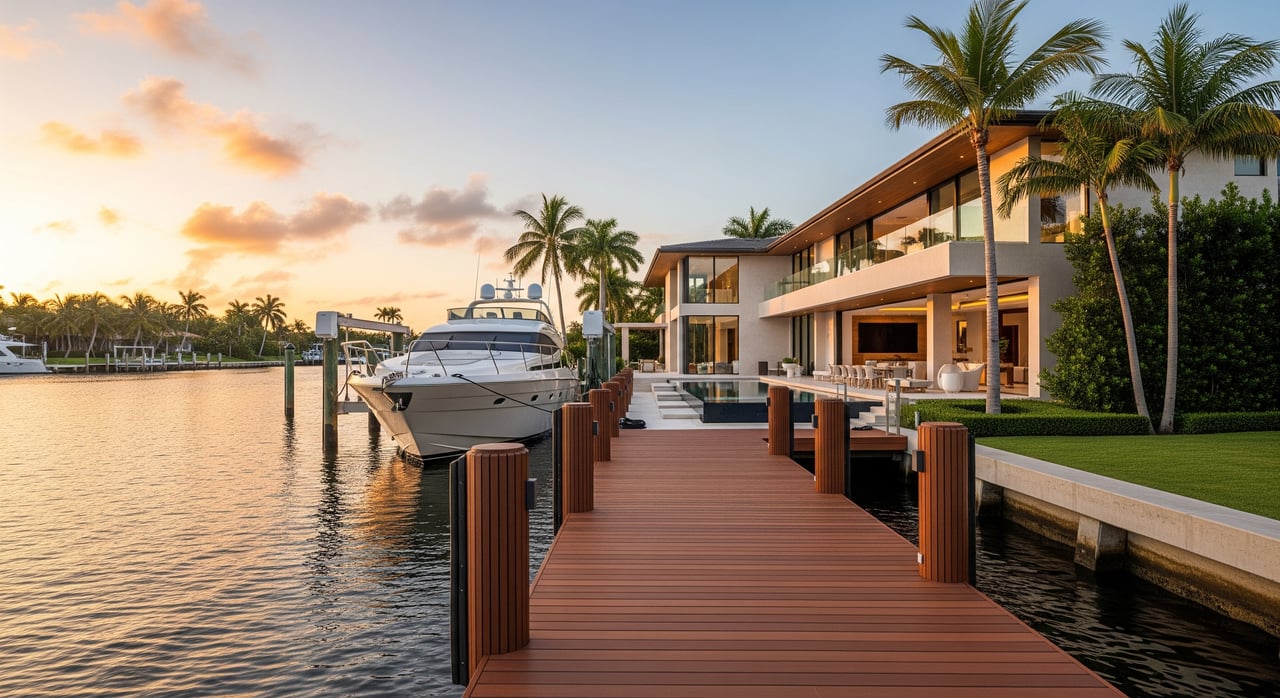
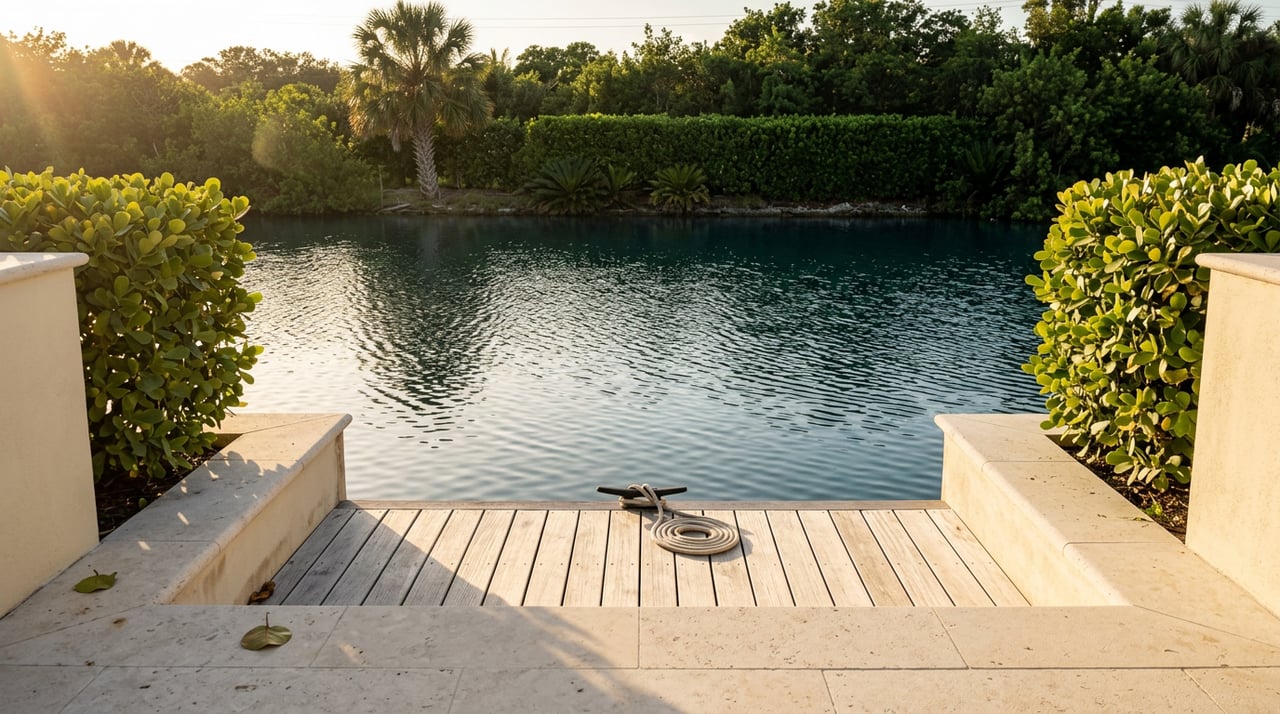
Picture this: you slide open the glass doors, step onto your waterfront terrace, and in minutes you are casting off from your private dock for a smooth morning run on the Intracoastal. If you value privacy, effortless boating, and refined entertaining, Harborage Island speaks your language. In this guide, you will learn how daily life feels on a guard-gated island, how the canals serve yacht owners, what nearby dining and beach clubs are like, and what to verify before you buy. Let’s dive in.
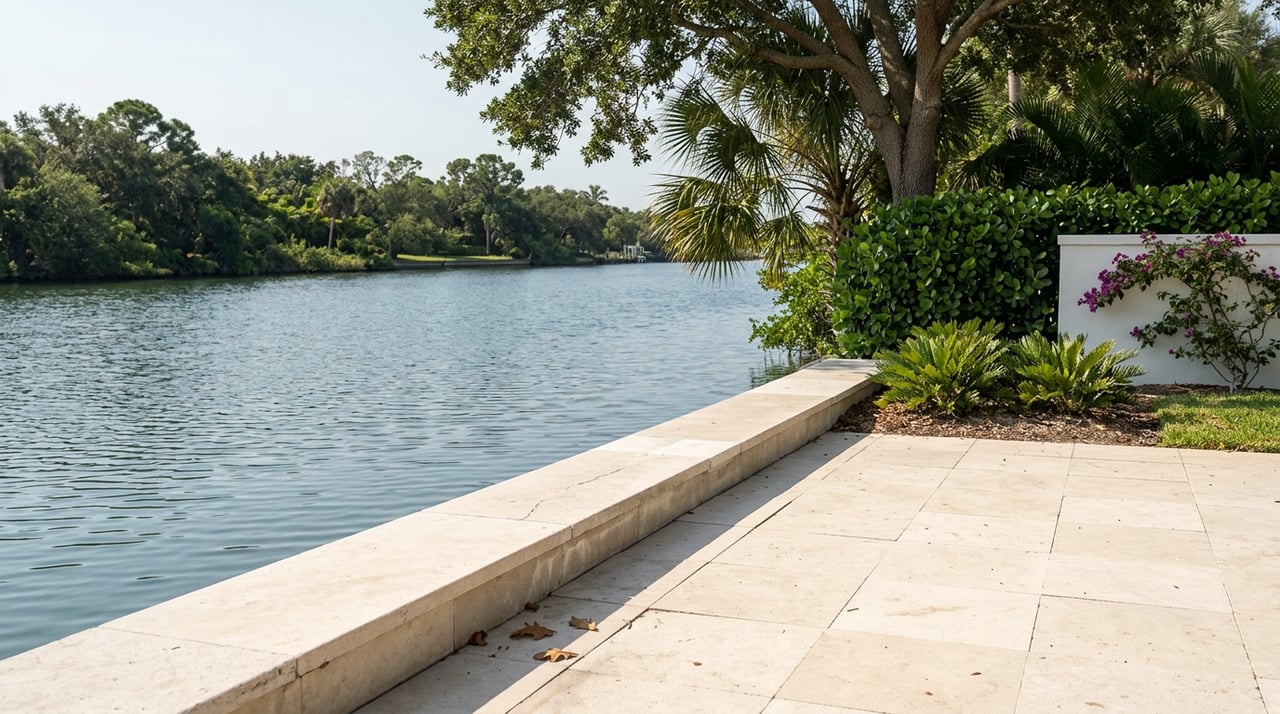
Harborage Island is a private, guard-gated residential island within Fort Lauderdale’s famed waterways. The canals link to the Intracoastal Waterway, giving you direct routes for day cruising and quick positioning for ocean runs. Fort Lauderdale is often called the Venice of America for good reason, and island neighborhoods like this highlight why.
With a private dock, you set your schedule. Head north or south on the Intracoastal for a relaxed cruise, or stage for an Atlantic run via area inlets, including the Port Everglades corridor. Fort Lauderdale’s marine ecosystem supports everything from sport boats to crewed yachts, and the city’s annual international boat show underscores the depth of local services.
You can provision locally, arrange routine detailing, and schedule service visits with minimal disruption. The flow of daily life revolves around the water, yet you remain close to dining, galleries, and beach clubs when you want a change of pace.
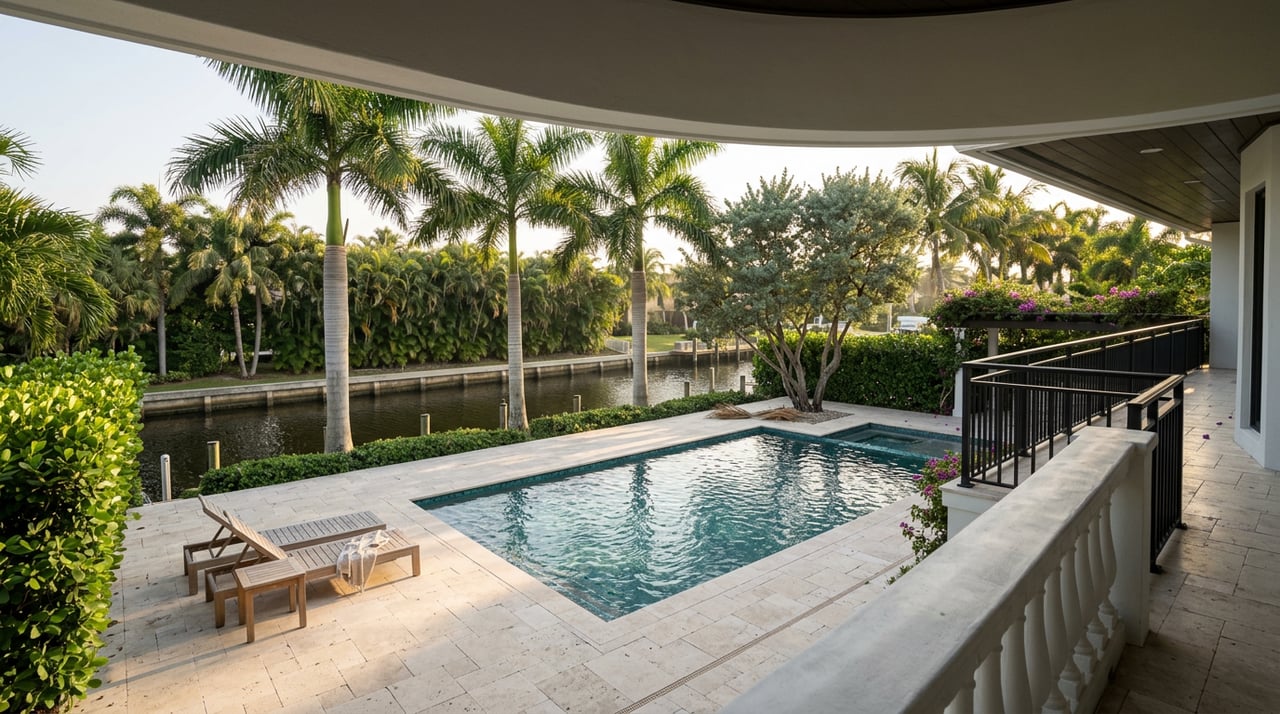
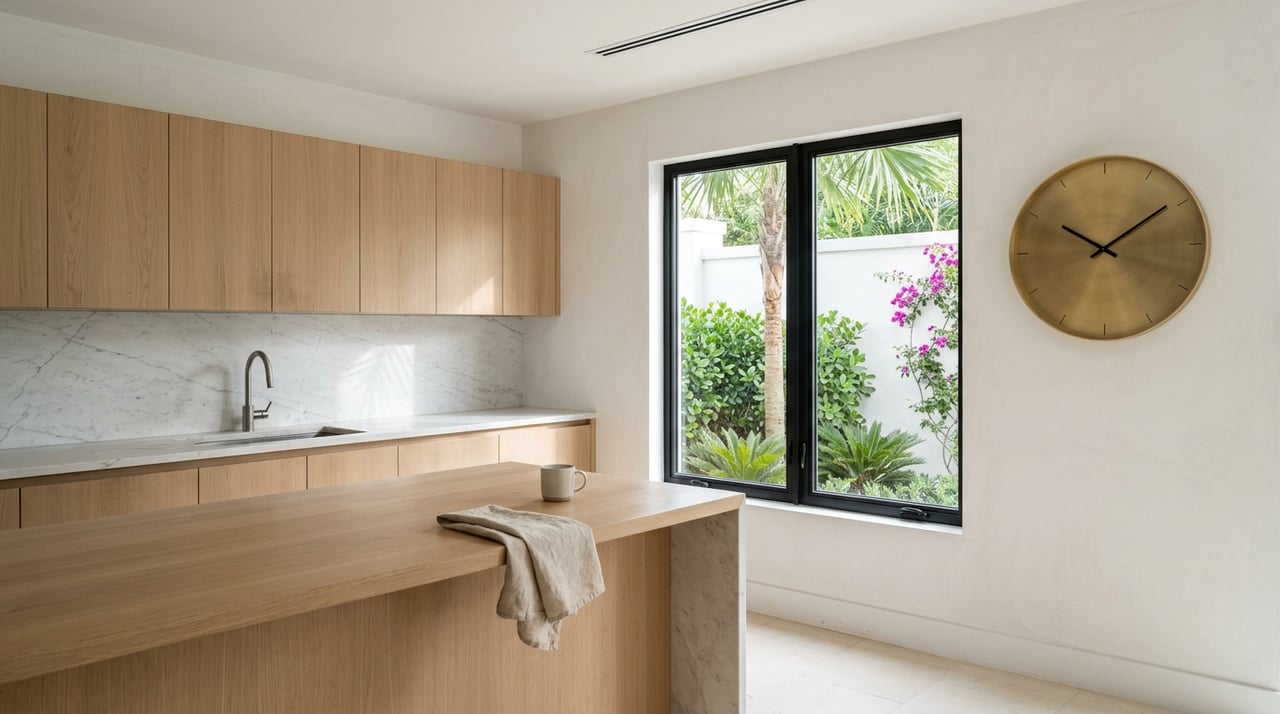
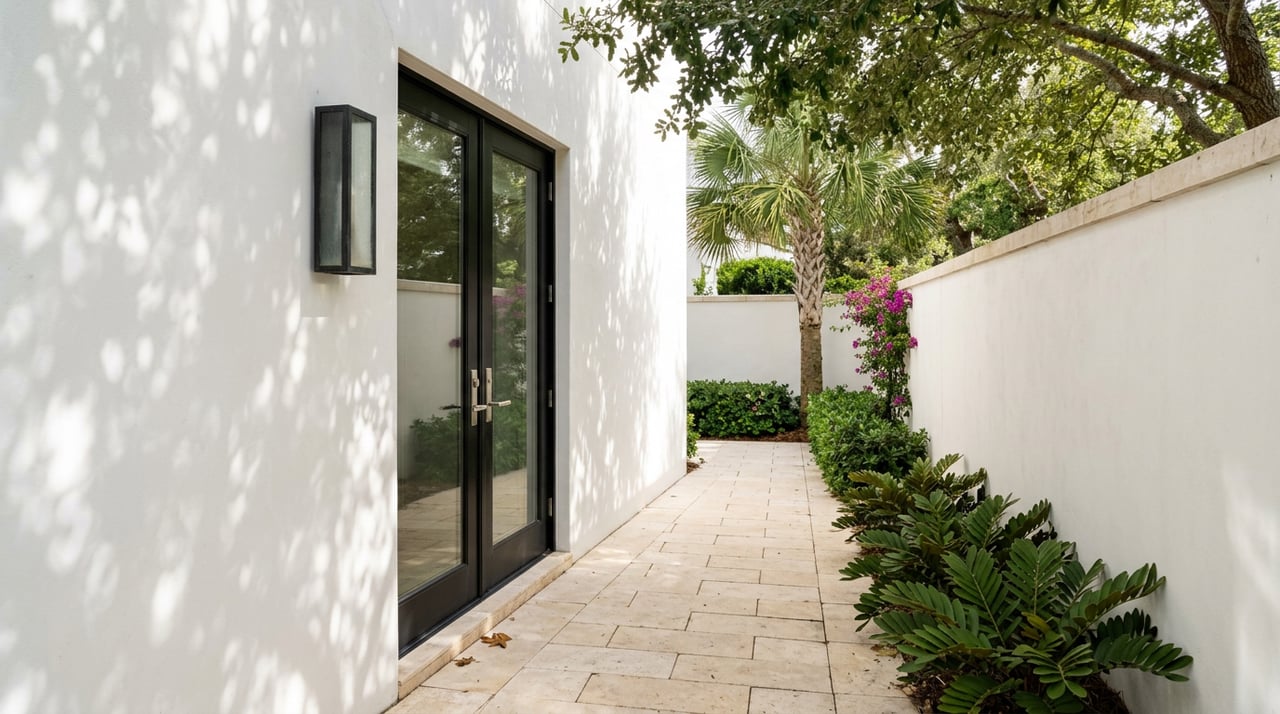
Waterfront estates here are built for indoor-outdoor living. Expect features that make gatherings effortless and elegant.
The result is an easy rhythm: sunset cocktails on the terrace, dinner under the stars, and a nightcap while lights play across the canal.
Part of the appeal is how quickly you reach the city’s best scenes. You are a short drive from Las Olas Boulevard for waterfront dining, galleries, and boutiques. The Fort Lauderdale Beach corridor adds resort dining, lounges, and beach clubs for a relaxed day at the shore. Many waterfront spots along the Intracoastal welcome boaters, so you can arrive by water when conditions allow.
The canals are yacht-friendly, but the right fit depends on your vessel and your property’s specifications. Before you buy, line up the details.
Guard-gated entry and controlled access add a layer of privacy and peace of mind. Many island owners use concierge-style services that keep daily life smooth.
A focused due diligence process protects your lifestyle and your investment. Use this checklist to organize key items.
Waterfront ownership requires thoughtful risk planning. Most buyers carry homeowner’s insurance, flood insurance, and often separate wind coverage. Insurers look at your home’s elevation, roof age, and hurricane mitigation features, so it pays to verify these early. Many island parcels lie in FEMA-designated flood hazard zones. Elevation certificates and mitigation upgrades can influence premiums and peace of mind.
Compared with inland homes, operating a waterfront estate can include elevated expenses. Plan for periodic seawall and dock work, scheduled boat service, and seasonal storm readiness. Factor in property taxes consistent with luxury enclaves and any community association dues. A predictable maintenance cadence keeps your property and vessel in top shape.
Luxury waterfront pricing and inventory can shift faster than the broader market. The most reliable data comes from current, hyperlocal MLS reports, parcel-level records, and on-the-ground insight into dock-equipped comparables. You want a senior-led team that understands the canals, construction, and permitting landscape, and that can match you with the right property and dock configuration.
If Harborage Island aligns with how you want to live, connect with a trusted local advisor. For discreet guidance and access to on- and off-market opportunities, reach out to Tagliamonte & Associates.
Stay up to date on the latest real estate trends.


A top South Florida producer since 2000 and recognized as in the top ½% of real estate producers nationally, Sandra Tagliamonte and Tagliamonte and Associates take pride in their ability to assist clients in the most effective and successful ways.