Rebuild Or Remodel Your Bay Colony Waterfront Home
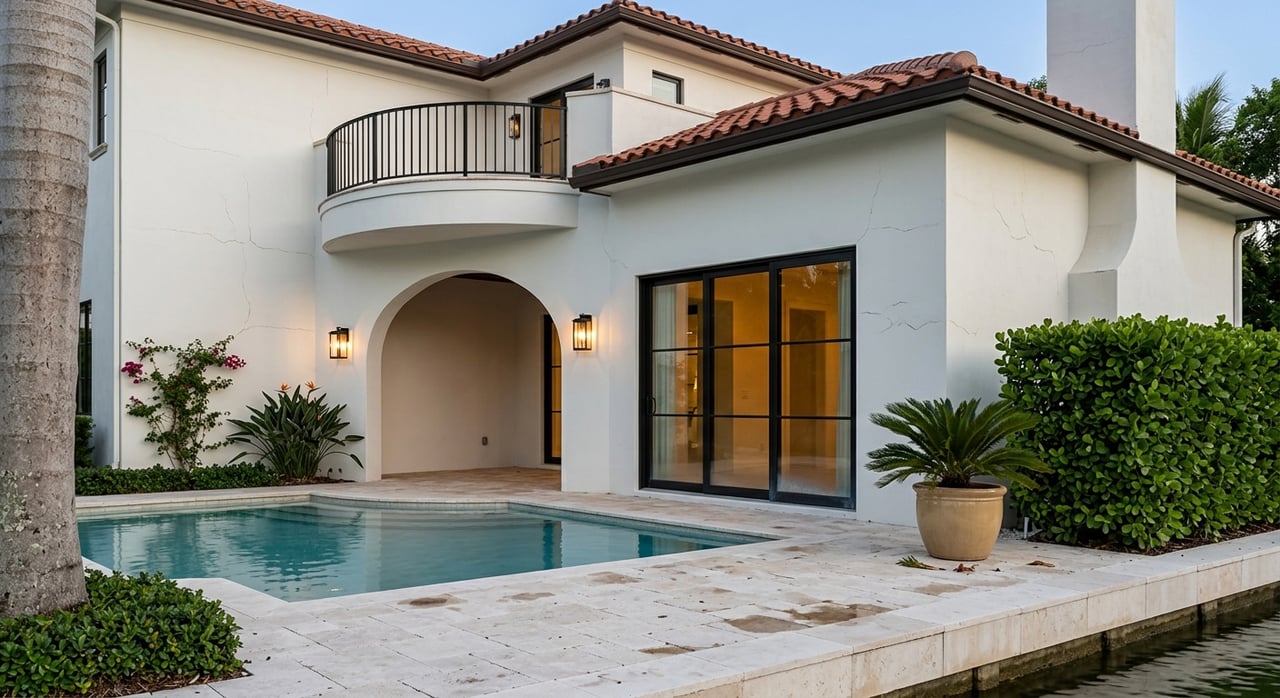
If you own a Bay Colony waterfront home, you may be asking a high-stakes question: should you remodel what you have, or start over and rebuild? In a coastal neighborhood where seawalls, flood rules, and buyer expectations all matter, the answer is rarely simple. The good news is that a smart decision framework can help you weigh cost, timing, resale potential, and long-term livability with more confidence. Let’s dive in.
Bay Colony is not just any luxury neighborhood. It sits in a waterfront section of Fort Lauderdale where coastal conditions directly affect property planning, ownership, and future value.
The city has already addressed coastal infrastructure nearby. In 2025, Fort Lauderdale replaced about 50 feet of city-owned seawall along Bayview Drive south of the Bay Colony Drive bridge, with a future phase intended to reduce tidal flooding and improve readiness for king tides and sea-level rise, according to the City of Fort Lauderdale. For you, that makes seawall condition, drainage, and marine access key factors before you commit to a major remodel or a teardown.
Floodplain rules also shape the decision. Broward County’s current flood maps became effective July 31, 2024, and the county advises property owners to verify each parcel’s flood zone and base flood elevation because neighboring homes may not share the same profile. Broward also notes that base flood elevations apply to all new construction and substantial improvements, as outlined on the Broward County flood map page.
Bay Colony owners should also pay attention to what the broader luxury market is rewarding. In 2025, Broward County’s single-family luxury threshold rose to $2.0 million, while Fort Lauderdale’s luxury threshold reached $4.7 million and its uber-luxury threshold climbed to $10.3 million, according to MIAMI Realtors® luxury market data.
That is important because high-end buyers in this market are often selective and well informed. Broward’s spring 2025 single-family market remained relatively active, with 5.7 months of inventory, a median 40 days from listing to contract, and sellers receiving a median 95% of original list price, based on the latest Broward County market report.
In practical terms, finished homes with fewer unknowns often have an edge. In a cash-active luxury market, buyers tend to respond well to properties that feel complete, resilient, and easy to own. That does not automatically mean you should rebuild, but it does mean unfinished risk can work against value.
A remodel is often the better path when your existing house has a sound structure and the scope can stay focused. If the floor plan still works, the elevation and systems do not require major correction, and the home mainly needs updates in finish, function, or efficiency, a thoughtful remodel can be the more practical option.
This approach may suit you if your goals include:
The 2025 NAR Remodeling Impact Report found that homeowners most often remodel to upgrade worn-out surfaces and materials, improve energy efficiency, or prepare to sell within two years. The same report also noted growing demand for kitchen upgrades, new roofing, and bathroom renovations.
If you are remodeling for resale, it helps to be realistic about return. NAR’s consumer guide to hiring a remodeling contractor notes that the strongest resale recoveries tend to come from smaller updates, such as a new steel front door, closet renovation, or fiberglass front door. That suggests large remodels should be driven by livability, function, and market positioning, not just short-term payback.
A rebuild often becomes more compelling when your project starts to trigger major structural, systems, or floodplain issues. If you are already replacing key components, changing elevation strategy, or reworking the home so extensively that it begins to function like new construction, rebuilding may give you a cleaner path.
This is especially relevant on the waterfront. Buyers increasingly value homes that are move-in ready, efficient, and designed for today’s wind and water concerns. Zillow’s 2025 housing research found that climate risks are a major factor in buyer decision-making, especially for features that protect against wind and water intrusion, as noted in its 2025 new construction report.
The same buyer trends support turnkey design. Zillow reported that 43% of new-build buyers chose a new home because it was move-in ready without repairs or updates, and energy efficiency ranked among the top priorities in its new construction versus existing homes research. For a Bay Colony property, that can make a rebuild appealing if your objective is a modern, low-maintenance waterfront residence aligned with current luxury expectations.
Whether you plan to stay or sell, it helps to understand what buyers value now. Today’s luxury buyer is often patient, selective, and focused on condition.
Zillow’s 2025 prospective buyer survey found that 72% of buyers consider security smart-home features highly important, 65% say few or no climate risks are very or extremely important, and 40% rate leak-detection sensors highly important, according to the survey results. Those preferences fit the realities of waterfront ownership, especially for buyers who want a lock-and-leave property.
NAR’s 2025 Remodeling Impact Report also found that 46% of buyers are less willing to compromise on home condition. At the same time, NAR research on buyer preferences shows that many buyers do not automatically prefer new construction over an existing home. That means there is no one-size-fits-all answer. A beautifully executed remodel can still compete well if it solves the right problems and presents with confidence.
In Bay Colony, the remodel-versus-rebuild choice is not only about design. It is also about what the city and flood regulations will allow.
Fort Lauderdale requires digital permitting through LauderBuild and its building permit system, and the city states that permit applications submitted after December 31, 2023 are subject to the 2023 Florida Building Code, 8th edition. The city also notes that voluntary demolition permits have a 60-day expiration.
You should also understand the concept of substantial improvement. FEMA defines substantial improvement as work costing 50% or more of the structure’s market value before construction, and its guidance explains that local officials determine whether a proposed project triggers those rules. If it does, the structure must comply with the local floodplain ordinance, as described in FEMA’s substantial improvement guidance.
That matters because a major remodel can cross into rebuild-like territory faster than many owners expect. Once structural work, floodplain compliance, code upgrades, and elevation requirements enter the picture, the budget and complexity can shift significantly.
If you are weighing your options, start with a structured review instead of assumptions. In a neighborhood like Bay Colony, early due diligence often saves time and expensive course corrections later.
Use this simple framework:
Ask whether the home is fundamentally sound. If the main structure, systems, and layout still support your goals, remodeling may remain viable.
Review your parcel-specific flood zone and base flood elevation through Broward County’s flood map resources. Do not assume your property matches nearby homes.
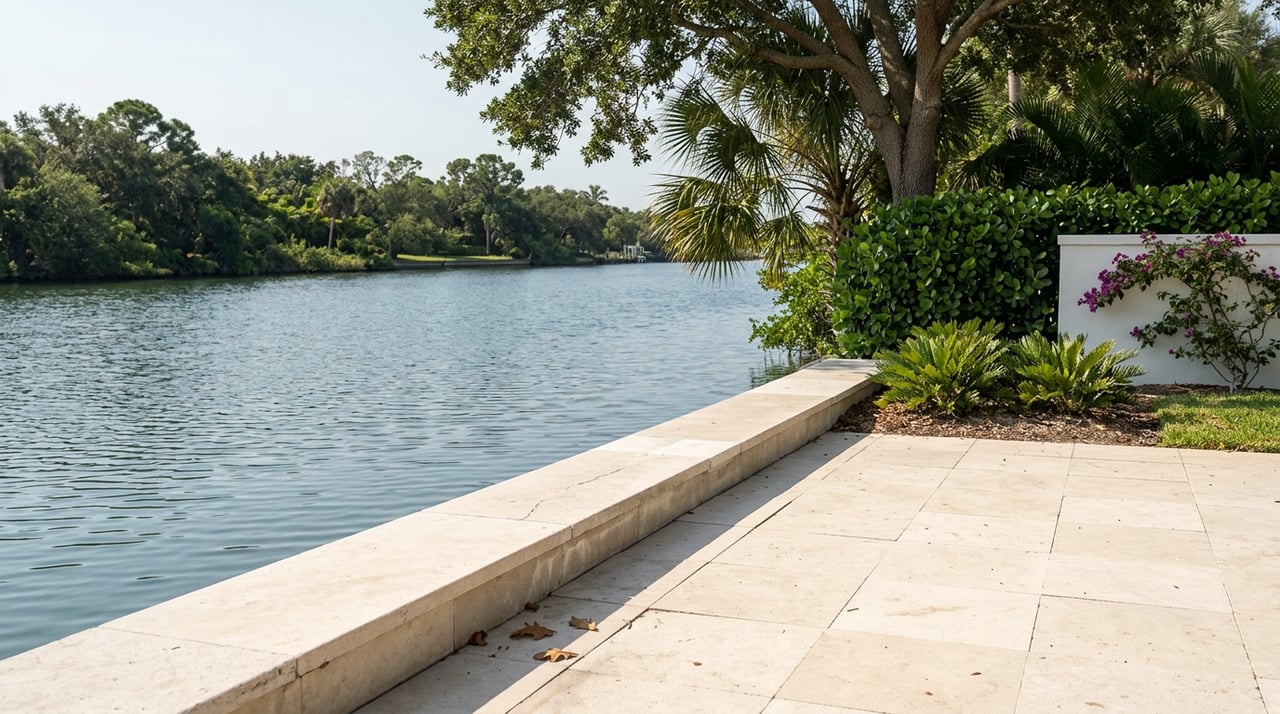
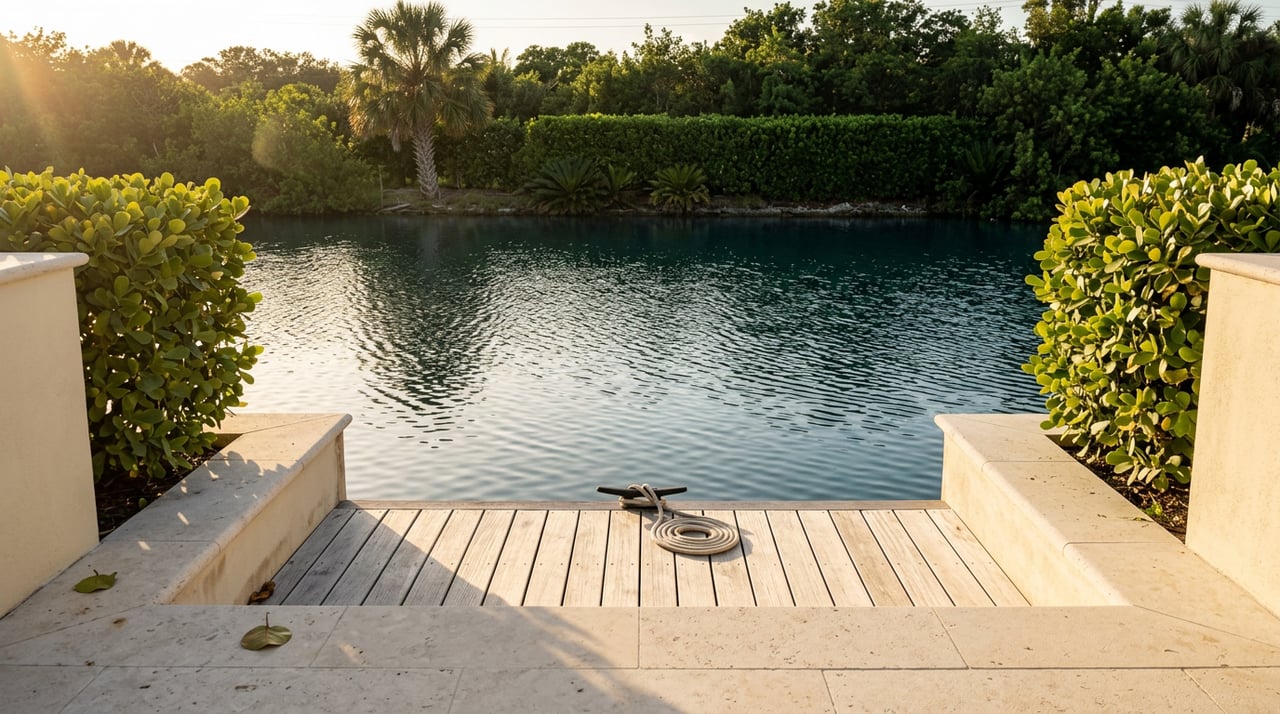
For a waterfront parcel, seawall condition, drainage, and dock or marine access can affect both scope and budget. These issues should be part of your planning from the start.
If you want a fully modern, low-maintenance residence with current smart-home and resilience features, rebuilding may deliver a better long-term result. If you love the home’s bones and can update it without triggering major compliance issues, remodeling may be the smarter move.
Remodeling does not always mean faster. NAR found that only 37% of remodeling projects finished on time, while 31% took longer than planned. Schedule risk should be part of your budget conversation, not an afterthought.
In a high-value waterfront market, presentation matters. Buyers often respond best to homes that feel intentional, complete, and easy to own.
For many Bay Colony homeowners, the real question is not whether remodeling is cheaper or rebuilding is newer. The better question is which path creates the strongest outcome for your property, your timeline, and your future plans.
In general, remodeling tends to make more sense when the existing home is structurally sound and the scope can stay below major code and flood triggers. Rebuilding tends to make more sense when the house needs deep structural, systems, or elevation changes, or when you want a turnkey luxury product aligned with what today’s waterfront buyers value most.
If you are weighing that decision now, a property-specific review is essential. The right guidance can help you understand how your lot, your home, and current buyer expectations fit together before you commit significant time and capital. For discreet, senior-led insight on Bay Colony waterfront value, positioning, and next steps, connect with Tagliamonte & Associates.
Stay up to date on the latest real estate trends.


A top South Florida producer since 2000 and recognized as in the top ½% of real estate producers nationally, Sandra Tagliamonte and Tagliamonte and Associates take pride in their ability to assist clients in the most effective and successful ways.