Architectural Charm And Everyday Life In Victoria Park
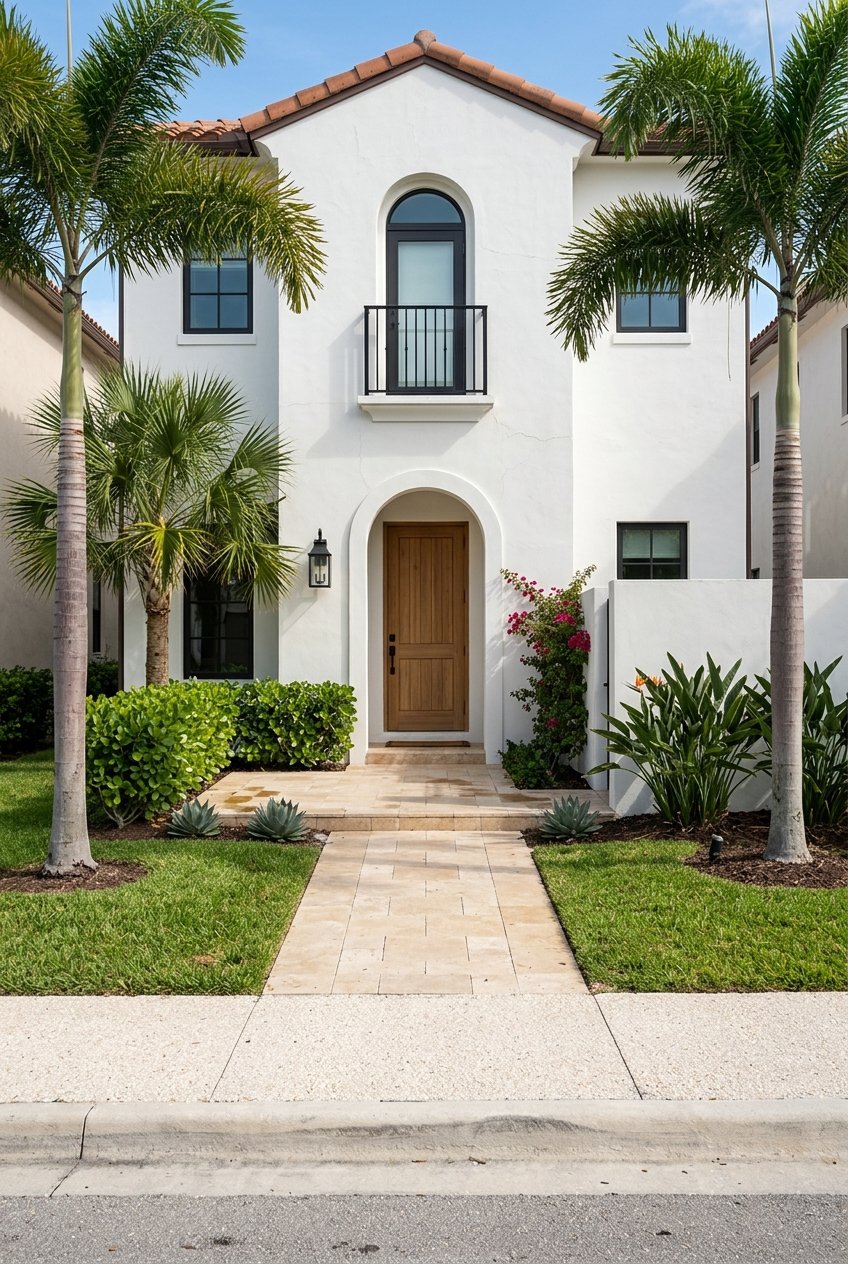
Curious what makes Victoria Park feel so distinctive in the middle of Fort Lauderdale? If you are drawn to neighborhoods with architectural character, mature trees, and a walkable daily rhythm, Victoria Park stands out for good reason. This guide will help you understand how the area’s history, home styles, parks, and everyday routines come together to shape life here. Let’s take a closer look.
Victoria Park is one of Fort Lauderdale’s oldest neighborhoods, with roots that go back to 1925 when developer Alfred G. Kuhn platted the area and named it for his daughter, Victoria. The Victoria Courts addition followed in 1926, adding to the neighborhood’s early growth.
Today, the neighborhood still reflects that early planning. The curving and diagonal street pattern, Lake Stranahan’s role in the original scenic layout, and the mature tree canopy all help create a setting that feels established and residential while remaining close to downtown, the beach, and Las Olas.
That balance is a big part of Victoria Park’s appeal. You get a neighborhood that feels tucked in, yet it remains closely connected to some of Fort Lauderdale’s best-known shopping, arts, and waterfront destinations.
Victoria Park is not defined by a single look. According to the City of Fort Lauderdale’s architectural survey, the neighborhood includes mostly residential buildings that range from detached single-family homes to three-story courtyard apartments, with many historic structures dating from the early 1920s through the 1960s.
That layered history gives the area visual variety. Instead of a uniform streetscape, you will find a mix of styles that reflect different periods of growth and change.
Craftsman Bungalow homes are an important part of Victoria Park’s architectural identity. In the city survey, examples often include low-pitched gable roofs, exposed rafters or beams, porches with square battered columns or piers, wood siding, clipped gables, and interior chimneys.
These homes often keep an early-20th-century scale, even when details like windows have been updated over time. That means the neighborhood can feel historic without appearing frozen in place.
Victoria Park also includes strong examples of Mediterranean Revival and Mission Revival design. In the city’s survey, Mission Revival buildings often feature decorative roof parapets, prominent coping, roof scuppers, and chimney caps inspired by bell towers.
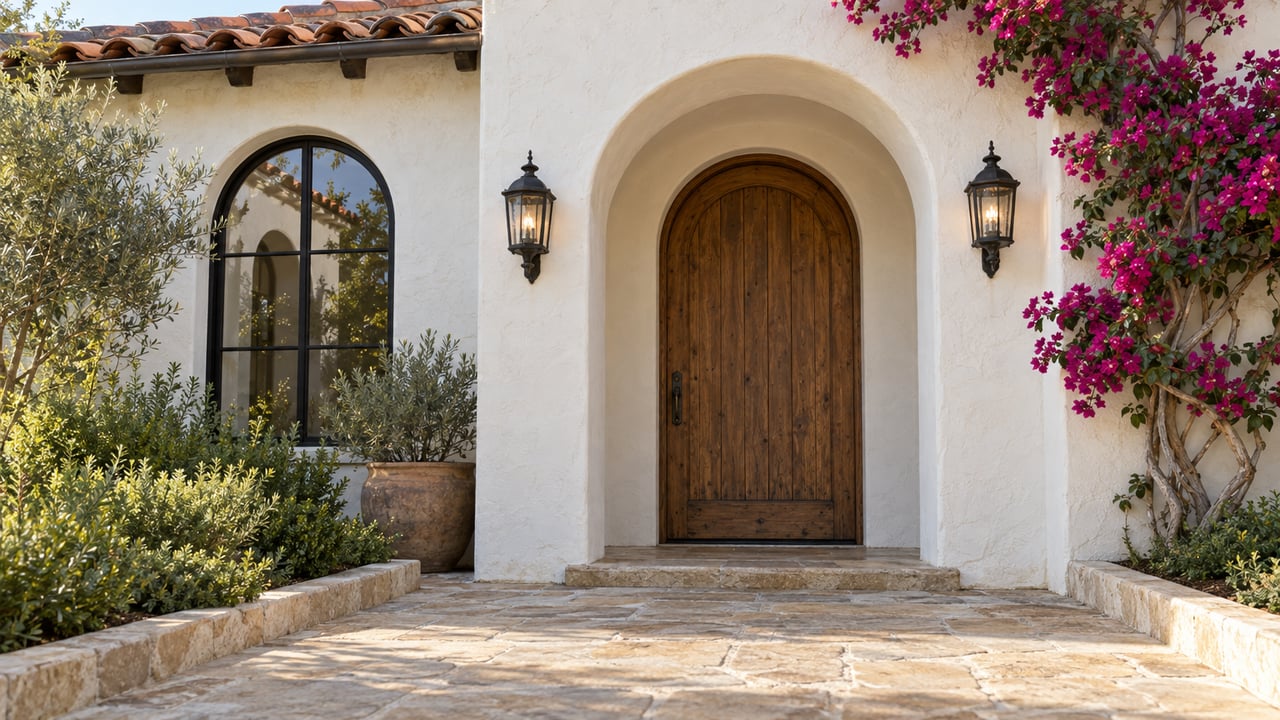
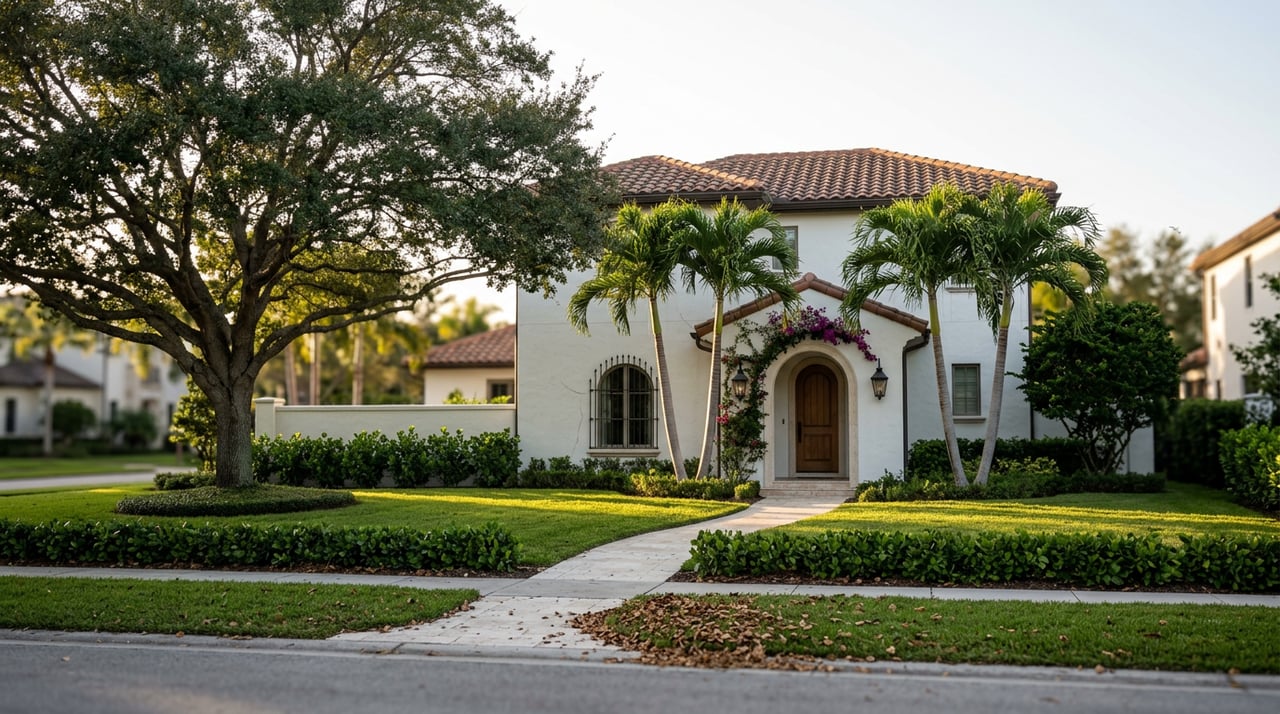
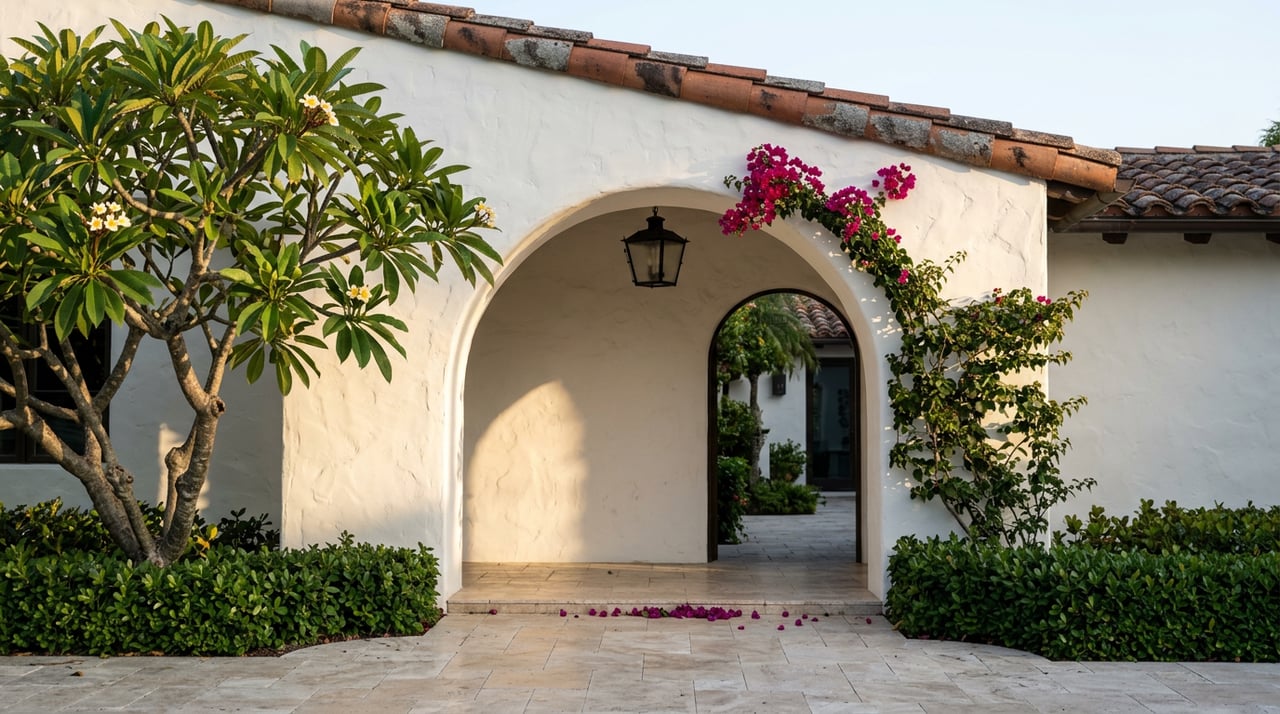
Mediterranean Revival traits seen in and around the neighborhood include stucco walls, barrel-tile roofs, arched openings, balconies, and decorative ironwork. These details add texture and warmth to the streetscape and fit naturally with South Florida’s climate and light.
The neighborhood’s architectural story also includes Colonial Revival homes. A city survey example near Virginia Young Park highlights features such as symmetrical composition, clapboard siding, dormers, shutters, and a more formal residential appearance.
Taken together, these styles show why Victoria Park feels visually rich. It is a neighborhood that evolved over time, which gives buyers and residents a broader range of home types and streetscape experiences.
Architectural appeal is only part of the story. Victoria Park also supports a daily routine that feels local, manageable, and connected to outdoor living.
Small parks, nearby recreation, and neighborhood coffee spots all contribute to that rhythm. For many people, that is what makes the area feel livable beyond its curb appeal.
Victoria Park has several smaller public green spaces that support short walks, quiet breaks, and time outside close to home. Victoria Park at 2 N. Victoria Park Rd includes a gazebo, open areas, and waterfront access, and it is open from 6 AM to 9 PM.
Annie Beck Park at 100 N. Victoria Park Rd offers open areas, a walking path, and waterfront access. Virginia Young Park at 1000 SE 9th Street includes benches and picnic tables, adding another option for a relaxed outdoor stop within the neighborhood.
These are not massive destination parks, and that is part of their value. They support the kind of everyday outdoor use that can become part of your routine rather than a special outing.
Just outside Victoria Park’s quieter residential pocket, Holiday Park serves as a much larger recreation hub. The City of Fort Lauderdale lists athletic fields, a dog park, fitness stations, pickleball courts, a recreation center, volleyball, a walking path, and a walking and jogging trail across 93.44 acres.
The park is open from 6 AM to 11 PM, giving residents a broad window for exercise and recreation. The city also states that upgrades are scheduled to begin in May 2026 and continue through summer 2027, including a new playground, dog park improvements, landscaping, and walking-trail enhancements.
For buyers thinking about day-to-day convenience, this matters. You have access to a quieter park network inside the neighborhood and a larger active-use park nearby.
Daily life in Victoria Park also extends toward Federal Highway. Press & Grind Cafe’s Victoria Park location at 474 N Federal Hwy is open daily from 7:00 AM to 5:00 PM.
Brew Urban Cafe’s Victoria Park location at 638 N Federal Hwy is open Monday through Saturday from 7:00 AM to 8:00 PM and Sunday from 8:00 AM to 6:00 PM. The cafe also highlights indoor and outdoor seating along with free Wi-Fi.
Together, these businesses help shape an easy neighborhood rhythm. A coffee stop, a short walk, and time in a nearby park can all fit into an ordinary weekday or weekend without much planning.
Victoria Park is not simply a collection of attractive homes. The neighborhood also has an active civic identity, supported by traditions and events noted by the Victoria Park Civic Association, including Cause 4 Paws and Art and Jazz in Victoria Park.
That kind of continuity matters when you are evaluating a neighborhood’s feel. It suggests an area where residents engage with place and where local identity has remained visible over time.
For buyers, that can translate into a stronger sense of connection to the neighborhood itself. For sellers, it helps explain why Victoria Park often has a story that goes beyond square footage and finishes.
Lifestyle and charm matter, but so does infrastructure. As of 2026, the City of Fort Lauderdale is upgrading stormwater infrastructure in Victoria Park to reduce flooding and improve drainage reliability.
According to the city’s March 2026 update, work was scheduled on NE 6th Street between NE 12th Avenue and NE 14th Avenue from March 16 through March 27 with local traffic restrictions while access to homes and driveways was maintained. Earlier city updates show the broader project began on January 5, 2026 and is expected to continue into early 2028.
For anyone considering a move or a sale in the neighborhood, this is useful context. It shows that Victoria Park’s established residential character is being paired with ongoing public investment in drainage and street infrastructure.
Victoria Park offers something that can be hard to find: a neighborhood that feels both established and central. Its history, mature canopy, and architectural variety give it visual depth, while its parks, cafés, and nearby recreation support a practical everyday lifestyle.
For some buyers, the draw is the architecture. For others, it is the location near downtown, Las Olas, and the beaches, combined with a residential setting that still feels calm and rooted.
If you are weighing where Victoria Park fits within the broader Fort Lauderdale market, the details matter. The neighborhood’s appeal is not based on one feature alone, but on how its history, design, and daily rhythm work together.
When you want guidance on Fort Lauderdale neighborhoods with lasting character and strong lifestyle appeal, Tagliamonte & Associates offers discreet, senior-led insight tailored to your goals.
Stay up to date on the latest real estate trends.


A top South Florida producer since 2000 and recognized as in the top ½% of real estate producers nationally, Sandra Tagliamonte and Tagliamonte and Associates take pride in their ability to assist clients in the most effective and successful ways.